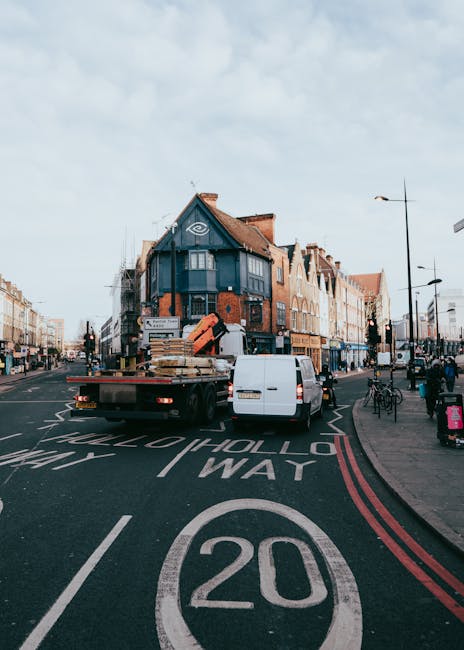
Rapid Maida Hill flat to flat removals on Kilburn High Road
If you are planning Rapid Maida Hill flat to flat removals on Kilburn High Road, chances are you want the move done quickly, carefully, and without the usual London-day chaos. That usually means less time spent waiting around, fewer awkward stairwell manoeuvres, and a lot less stress when furniture, boxes, and keys all need to line up in the same narrow window. To be fair, flat-to-flat moves in this part of London rarely feel simple on the surface. Buildings differ, parking can be tight, and one extra flight of stairs can change the whole plan.
This guide breaks the process down in plain English. You will learn what flat-to-flat removals actually involve, why rapid service matters on busy routes like Kilburn High Road, how the move typically works, and what to check before booking. Along the way, we will look at practical safeguards, comparison points, and the details people often miss until the moving van is already outside. No fluff, just the useful stuff.
Why Rapid Maida Hill flat to flat removals on Kilburn High Road Matters
Flat-to-flat removals sound straightforward until you picture the real setting. In Maida Hill and along Kilburn High Road, the route between two flats can involve busy roads, shared entrances, controlled parking, service corridors, lift bookings, and staircases that seem designed by someone who hated wardrobes. Speed matters here because the move is not just about getting items from A to B; it is about doing that within a small slice of time, with minimal disruption to neighbours, building managers, and your own day.
Rapid removals are especially useful when there is a deadline built in. Maybe you need to hand back a set of keys by lunchtime. Maybe your new tenancy starts the same day. Maybe you are moving a few streets over and want the job wrapped before the weather turns, or before the building's loading rules kick in. These are the moments when a quick, organised removal service stops being a convenience and becomes the difference between a smooth day and a muddle.
There is also the local factor. Kilburn High Road is busy, and busy roads punish poor planning. A van that arrives too early, parks badly, or takes too long to load can create avoidable friction. Rapid flat-to-flat removals work best when the team understands timing, access, and how to keep the move moving without rushing the wrong things. That balance matters a lot.
Expert summary: the fastest move is not always the one that feels hurried. The best rapid removal is the one that is prepared, timed well, and calm under pressure. Speed is useful only when it is controlled.
If you are comparing providers, it can help to look beyond the headline promise of "fast service" and check how they communicate, what they cover, and how they handle the less glamorous parts of the job. Pages such as pricing and quotes, insurance and safety, and about us are useful for understanding how a company presents its service and standards.
How Rapid Maida Hill flat to flat removals on Kilburn High Road Works
A good flat-to-flat move usually follows a simple rhythm, even if the actual day feels a bit more lively than simple. First comes the assessment. The mover needs to understand what is being moved, the access at both properties, parking conditions, and any fragile or bulky items. That brief early conversation is often where a smooth move begins. If it is handled well, the rest tends to follow.
On moving day, the team will usually arrive with the right vehicle size, basic handling equipment, and a plan for loading order. In a rapid move, the order matters. Heavier items go first, fragile items are kept secure, and everything is arranged so the unloading at the destination is equally efficient. A sofa wedged in sideways at the back of the van may look like a small detail, but, honestly, these details decide whether the day flows or turns into a wrestling match.
For flats, timing and access are the whole game. Teams often work around lift bookings, concierge access, parking restrictions, or narrow windows when loading is easiest. In some cases, the move may be split into short shuttle runs if direct access is limited. That is not a failure; it is just the practical way to handle London conditions. The key is that the mover plans for reality rather than hoping the street suddenly becomes wider.
Rapid flat-to-flat removals also tend to include careful handling at both ends. Doors can be protected, floors can be checked, and bulky items can be carried with enough control to avoid the classic scrape against the wall. The aim is efficient movement without the "well, that's a bit of damage" moment nobody wants.
If you need clarity on the service terms before booking, it is wise to review the company's terms and conditions and payment and security information so there are fewer surprises later on. Simple, but important.
Key Benefits and Practical Advantages
There are some obvious benefits to rapid flat-to-flat removals, but the real value usually shows up in the practical details. Less waiting. Less backtracking. Less stress. That is the headline. The less visible benefit is how much easier the entire day feels when the move is tightly coordinated.
- Time savings: rapid service helps reduce the gap between leaving one flat and settling into the next.
- Lower disruption: quicker loading and unloading can be kinder to neighbours and building staff.
- Better control: a planned move is easier to manage than a long, loose one.
- Reduced handling: fewer unnecessary transfers usually means lower risk for furniture and boxes.
- Local convenience: moving between nearby flats on or around Kilburn High Road can be done more efficiently than a full cross-city relocation.
There is also a psychological benefit, which people do not always mention. A rapid move can make the day feel finite. You wake up, move, unpack the essentials, and get on with life. That matters when you are juggling work, school runs, a tenancy deadline, or simply the fact that moving is tiring. It is one of those rare cases where finishing sooner does not just save time; it saves energy.
And if you are moving a relatively small load, a flat-to-flat removal can be more sensible than booking a bigger operation than you need. The right service should fit the job. Not the other way around.
Who This Is For and When It Makes Sense
This type of removal suits people who are moving between flats within Maida Hill, Kilburn, or the surrounding streets and want the job completed fast without losing control of the details. It is especially useful if you are moving:
- between two rented flats on a tight handover schedule
- from one apartment to another with limited parking access
- small to medium household contents rather than a full family house move
- bulky items like beds, sofas, wardrobes, or white goods that still need proper handling
- in a building where lift access or stair-only access affects timing
It also makes sense for people who do not want to hire a large removal crew for a modest move. Let's face it, sometimes you only need a few hours of focused help, not a giant operation with more space than your belongings require. A rapid man and van style service can be the neat middle ground.
On the other hand, if you have a large multi-room property, long-distance transport, or several specialist items, a more tailored approach may be better. The goal is not to force the move into a fast category just because the word "rapid" sounds attractive. The right fit matters more than the label.
For reassurance about the company background and service approach, you may find the about us page helpful. If you are still in the comparing stage, the safest move is to ask questions early. A decent provider will not mind that one bit.
Step-by-Step Guidance
Here is the cleanest way to organise a rapid flat-to-flat move on Kilburn High Road. It is not fancy. It just works.
- List everything that is moving. Make a quick inventory of furniture, boxes, appliances, and loose items. A simple list helps with vehicle size and loading order.
- Check access at both flats. Note floor levels, lift availability, stair width, entry codes, and whether parking is possible near the entrance.
- Separate fragile items early. Glass, lamps, mirrors, and electronics should be boxed or wrapped before the movers arrive.
- Measure awkward furniture. Sofas, beds, and wardrobes can look fine in the hallway and then become the main character in a small drama. Measure doorways, turns, and lift dimensions if possible.
- Confirm timing. Agree an arrival window that fits access rules, key handover times, and traffic conditions.
- Prepare the flats. Clear walkways, detach loose parts, empty drawers where needed, and keep essentials in one separate bag.
- Load in the right sequence. A good mover will handle this, but your input helps if there are priority items for the first unload.
- Unpack the essentials first. Kettle, chargers, documents, and bedding should be easy to find so the first night is manageable.
A small but useful habit: label boxes by room and priority. Not just "kitchen," but "kitchen - daily use" or "bedroom - first night." It saves you from opening three identical boxes looking for a toothbrush at 10 p.m. Been there, regrettably.
If you are arranging the move with a provider, it is worth checking the company's contact us page early so you can confirm access details, arrival times, and any special handling needs before the day arrives.
Expert Tips for Better Results
After plenty of local moves, a few habits consistently make life easier. Nothing dramatic, just sound practice.
- Keep a "move first" bag. Put keys, phone charger, medication, water, paperwork, and basic toiletries in one bag you keep with you.
- Use soft protection on corners. Blankets, stretch wrap, or padded covers help in narrow hallways and stairwells.
- Take photos of valuable items before moving. This helps you remember condition and setup if anything needs checking later.
- Leave a clear path. One chair in the wrong place can slow the whole carry route. Sounds trivial. It isn't.
- Be upfront about access issues. If parking is awkward, say so. If the lift is tiny, say so. Surprises at the kerb are the worst surprises.
- Keep children and pets out of the route. A flat move is safest when the carrying line stays clear.
One very practical tip: if you are moving in the evening or early morning, plan for light, noise, and neighbour access. Doors in older blocks can be noisy. Floors can echo. The last thing you want is to be apologising because a bed frame has become unexpectedly percussion-based.
Another thing worth saying is that a rapid move should still feel respectful. Quick does not mean careless. You want a team that can move at pace without turning the job into a sprint with elbows. There is an art to that, really.
Common Mistakes to Avoid
The same mistakes come up again and again. The good news is that most of them are avoidable with a bit of forethought.
- Underestimating what needs moving. Small items add up faster than people expect.
- Forgetting access details. A van cannot magically fit where no space exists.
- Leaving packing until the last minute. Quick removals work best when packing is already under control.
- Not measuring bulky furniture. One overlarge wardrobe can slow the entire process.
- Assuming all rapid services are the same. Some teams are genuinely organised; others are just optimistic.
- Ignoring building rules. Lift bookings, loading bay limits, and entry procedures can affect the schedule.
A subtle mistake is booking for speed but giving no time for setup. If your new flat still needs a bed assembled or a route cleared, mention that early. A decent crew can plan around it. If they do not know, they cannot plan. Simple.
Another common issue is overpacking boxes. Heavy boxes become awkward fast, especially on stairs. A better rule is to keep boxes manageable and leave some air in them. Your back will thank you later. Quite loudly, probably.
Tools, Resources and Recommendations
You do not need specialised equipment for every move, but the right basic kit makes a huge difference. For a flat-to-flat removal, the most useful tools are often the simplest ones.
| Item | Why it helps | Best used for |
|---|---|---|
| Strong boxes | Keep items organised and easier to stack | Books, kitchen items, clothes, mixed household goods |
| Packing tape | Secures boxes and protects contents | Final sealing before collection |
| Furniture blankets | Reduce knocks and scuffs | Sofas, tables, drawers, headboards |
| Stretch wrap | Keeps drawers and loose parts together | Cabinets, mattress edges, cable bundles |
| Marker labels | Speeds up unloading and unpacking | Room labels, priority boxes, fragile items |
For moving-day confidence, it also helps to review practical service pages like insurance and safety and health and safety policy. Those pages are not just formalities; they tell you how the company thinks about protection, handling, and risk reduction.
If you care about what happens to unwanted items after a move, the recycling and sustainability page is also worth a look. Flat moves often reveal more clutter than expected. That old chair in the corner? It has a way of suddenly becoming a decision.
Law, Compliance, Standards, or Best Practice
For most customers, the main compliance questions are practical rather than technical. You want to know the move is legal, safe, and handled properly. In the UK, removal work should be carried out with appropriate care for property, people, parking restrictions, and the handling of goods. You do not need to become an expert in transport rules to book a move, but you do need a provider that takes responsibilities seriously.
Best practice usually includes:
- clear pricing or a clear quote process
- transparent communication about timing and access
- safe lifting and handling procedures
- attention to property protection, especially in flats and shared areas
- appropriate insurance cover where offered and explained clearly
- respect for privacy, payment security, and customer data
It is also sensible to check the company's privacy policy and payment and security pages if you are entering personal details online. Those are the boring pages, yes, but boring is sometimes exactly what you want from compliance. No drama is a good sign.
If something goes wrong, a fair complaints route matters too. That is where a documented complaints procedure gives you a proper way to raise concerns instead of guessing what happens next. Trust builds in those moments, not just in the sales pitch.
Options, Methods, or Comparison Table
Not every flat move needs the same setup. Choosing the right method depends on how much you are moving, how quickly you need it done, and how straightforward access is at both ends. Here is a simple comparison.
| Method | Best for | Strengths | Trade-offs |
|---|---|---|---|
| Rapid flat-to-flat removal | Nearby moves with a tight schedule | Fast, efficient, practical for local access issues | Requires decent preparation and clear access information |
| Standard removal service | Moves with more items or looser timing | Can suit larger or more complex jobs | May take longer than needed for a small local move |
| Self-move with a hired vehicle | Very small moves or budget-led situations | Can be cheaper if you already have help | More physical work, more risk, more time |
In practice, many people choose rapid removals because they want the efficiency of a professional move without paying for more capacity than they need. If you are shifting from one flat to another on Kilburn High Road and the load is modest, this is often the neatest option. Not always. But often.
Case Study or Real-World Example
Picture a realistic London move: a one-bedroom flat in Maida Hill, a new place a short drive away off Kilburn High Road, and a handover window that leaves very little room for delays. The customer has a bed, sofa, dining chairs, a few boxes of books, kitchen items, and a mirror that has been sitting nervously against the wall for a week.
On the morning, the moving team checks access, confirms parking space, and loads the heavier furniture first. The boxes are grouped by room, with the fragile items kept apart. Because the new flat has a narrow hallway and a lift with limited depth, the sofa is carried in upright and rotated carefully at the door. Nothing dramatic, just patient handling.
The useful part is not that everything goes perfectly. It is that the team expects the small friction points before they happen. The move finishes within the planned slot, the keys are returned on time, and the customer gets the essentials unpacked before evening. That is what rapid service should feel like: controlled, efficient, and not at all frantic.
Sometimes the best outcome is simply that the day becomes forgettable in the right way. You move, you settle, and the building does not remember you for the wrong reasons. That is a win.
Practical Checklist
Use this checklist before your move day. It is short, but it catches most of the usual headaches.
- Inventory completed for all items going to the new flat
- Access details confirmed for both properties
- Parking or loading arrangements checked
- Lift bookings or building rules reviewed
- Fragile items packed and labelled
- Furniture measured if tight corners are likely
- Boxes marked by room and priority
- Important documents kept separately
- Utilities, keys, and handover times coordinated
- Insurance and safety information reviewed
- Payment method understood in advance
- Unwanted items separated for reuse, recycling, or disposal
Quick reassurance: if you only manage half of this list, you are already ahead of many moving days. The rest is usually about communication and timing, not perfection.
Conclusion
Rapid Maida Hill flat to flat removals on Kilburn High Road are at their best when speed is matched with calm, clear planning. That is the real formula. Not just fast wheels and a hopeful calendar slot, but good access checks, sensible packing, and a team that understands how London flats actually work in the real world.
If you are moving nearby, especially under time pressure, the right service can save hours and reduce a lot of noise, both literal and mental. You want the move to feel organised, not heroic. There is a difference.
Take a moment to review the practical details, ask the awkward questions early, and choose a mover that explains things plainly. If you do that, the day becomes much easier to manage. And honestly, that is what most people want: a move that gets done properly, without turning into a story you have to retell for weeks.
Get a free quote today and see how much you can save.
When the boxes are finally stacked in the new place and the kettle is on, it all feels a bit more possible. That quiet moment is the point, really.
Frequently Asked Questions
What does flat to flat removals mean?
Flat to flat removals means moving belongings directly from one apartment or flat to another, usually with no long-distance transport involved. It is common for local moves where access, timing, and efficient loading matter more than a large removal operation.
Is a rapid removal service suitable for a small flat move?
Yes, very often. If you are moving a one-bedroom or studio flat, or just a moderate amount of furniture and boxes, a rapid service can be the most practical option. It is especially useful when you need the move finished quickly on the same day.
How do I prepare for a move on Kilburn High Road?
Start with access details, parking, and packing. Label boxes clearly, measure large items, and make sure the mover knows about stairs, lifts, or entry restrictions. On a busy road like Kilburn High Road, timing and communication really matter.
Do I need to disassemble furniture before moving day?
Not always, but it often helps with speed and safety. Beds, modular wardrobes, and some tables are easier to move when partly dismantled. If you are unsure, ask the mover what should stay assembled and what should come apart first.
How long does a flat to flat removal usually take?
It depends on the amount of furniture, the floor levels, the lift situation, and how easy parking is. A nearby move can be completed quite efficiently if packing is ready and access is straightforward, but every move is different.
What if the new flat has narrow stairs or no lift?
That is common enough in London, and it just changes the planning. The mover may need extra handling time, different carrying methods, or a smaller vehicle position. It is best to mention stair access early so the day is planned properly.
Is insurance important for flat removals?
Yes. Insurance and safety are worth checking before you book because accidents, while not expected, can happen during any move. A responsible provider should be clear about how protection works and what is covered.
Can I book a move at short notice?
Sometimes, yes. Rapid removals are often used for short-notice jobs, especially when the move is local. Availability depends on timing, vehicle schedules, and the details of the move, so it helps to contact the provider as early as possible.
How do I know if I am being charged fairly?
Look for clear pricing, a proper quote process, and an explanation of what is included. If a quote seems vague, ask whether waiting time, stairs, fuel, or handling of bulky items affects the final amount. Clarity is a good sign.
What items are most difficult in a flat-to-flat move?
Large sofas, wardrobes, mattresses, mirrors, and heavy appliances are usually the trickiest. They need the most planning because of tight corners, narrow hallways, and stair access. Sometimes it is not the weight, but the shape, that causes the trouble.
What should I do with items I do not want anymore?
Sort them before the move and separate anything for recycling, donation, or disposal. That keeps the move lighter and cleaner. If sustainability matters to you, reviewing the company's recycling and sustainability approach can be useful too.
How do I make the moving day less stressful?
Keep essentials in one bag, confirm timings, prepare the paths through both flats, and stay in communication with the mover. Small things help a lot. A calm, prepared start usually leads to a much calmer finish.